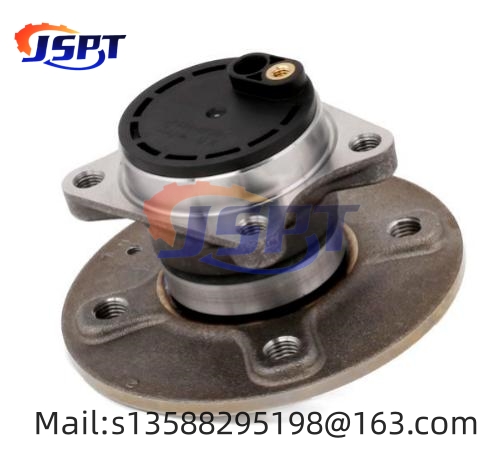
Introduction to Hub Bearings with ABS Technology
In today's automotive industry, hub bearings with ABS technology represent a significant advancement in vehicle safety and performance. These components integrate a wheel bearing with an Anti-lock Braking System (ABS) sensor, creating a multifunctional part that plays a crucial role in modern vehicles. The hub bearing helps support wheel rotation, while the ABS sensor monitors wheel speed, providing critical data to the vehicle's ABS system to prevent wheel lock-up during emergency braking. This integration not only simplifies vehicle manufacturing and maintenance but also enhances safety, reliability, and overall performance.
● The Role of Hub Bearings with ABS
Hub bearings with ABS technology are essential to vehicle operation and safety. The wheel bearing component supports the rotational movement of the wheel, reducing friction and wear by providing a smooth surface for rotation. The ABS sensor, meanwhile, continuously monitors the speed of each wheel, ensuring that they all rotate at the optimal speed and providing feedback to the ABS system. This dynamic duo works in tandem to not only maintain vehicle stability but also to enhance braking effectiveness and control.
Functionality of Wheel Bearings
Wheel bearings are one of the most fundamental components of a vehicle, tasked with ensuring smooth wheel rotation.
● Supporting Wheel Rotation
At the core of a vehicle's mobility, wheel bearings are engineered to withstand the force exerted during wheel rotation. By reducing friction between the wheel and the axle, they contribute to the smooth and efficient operation of the vehicle. This efficiency is crucial for maintaining vehicle speed and optimizing fuel consumption, which directly impacts the overall performance of the vehicle.
● Impact on Vehicle Performance
The functionality and condition of wheel bearings have a profound impact on a vehicle's performance. Worn-out or damaged wheel bearings can lead to increased friction, causing the vehicle to become less efficient and potentially dangerous. Regular maintenance of wheel bearings is essential to prevent these issues and ensure that the vehicle operates at its best, offering a stable and comfortable ride.
Understanding ABS Sensors in Wheel Bearings
ABS sensors integrated within wheel bearings play a pivotal role in modern automotive safety systems.
● Function and Operation
The ABS sensor's primary function is to monitor the rotational speed of each wheel, sending this information to the vehicle's ABS system. By doing so, the sensor helps ensure that even during sudden braking, the wheels do not lock up, maintaining traction and control. This is especially critical in preventing skidding and enabling the driver to maintain steering control during emergency stops.
● How ABS Sensors Enhance Safety
ABS sensors are a cornerstone of vehicle safety technology. By preventing wheel lock-up, they significantly reduce the risk of accidents caused by skidding. This technology is particularly effective on slippery or uneven surfaces where maintaining control is challenging. The enhanced safety provided by ABS sensors is a testament to their importance in the design of modern vehicles.
Integration of Wheel Bearings and ABS Sensors
The integration of wheel bearings and ABS sensors is a technological breakthrough in automotive engineering.
● Benefits of the Integrated Design
This integration offers numerous benefits, including reduced space requirements and simplified assembly processes. By combining these two critical functions into a single unit, manufacturers can design more compact and efficient systems, reducing overall vehicle weight and improving fuel efficiency.
● Simplification of Manufacturing and Maintenance
The integration of hub bearings with ABS also streamlines manufacturing and maintenance processes. With fewer separate components, the risk of assembly errors decreases, and maintenance becomes more straightforward. This simplification results in not only cost savings for manufacturers but also increased reliability and ease of service for consumers.
Importance of Hub Bearings in Vehicle Safety
Hub bearings with ABS are indispensable for ensuring vehicle safety, particularly in challenging driving conditions.
● Preventing Wheel Lock-up During Braking
The primary safety advantage of hub bearings with ABS is their ability to prevent wheel lock-up during sudden or aggressive braking. This capability is crucial for maintaining traction and control, especially in emergency scenarios where traditional braking systems might fail.
● Contribution to Overall Vehicle Safety
Beyond preventing skids, hub bearings with ABS offer broader safety benefits by enhancing the vehicle's overall braking system. The precision with which they manage wheel speed ensures optimal braking response, increasing driver confidence and reducing the likelihood of accidents.
Signs of Failing ABS Sensors
Recognizing the signs of failing ABS sensors is critical for maintaining vehicle safety and functionality.
● Symptoms and Warning Signals
One of the most apparent signs of a failing ABS sensor is the illumination of the ABS warning light on the vehicle's dashboard. Drivers may also notice a decrease in braking performance, unusual noises during braking, or inconsistent brake pedal pressure. These symptoms indicate that the ABS system may not be functioning correctly and require immediate attention.
● Consequences of Sensor Failure
When ABS sensors fail, the vehicle is at greater risk of wheel lock-up during braking, especially in adverse conditions. This can lead to skidding and loss of vehicle control, jeopardizing the safety of the driver and passengers. Prompt diagnosis and repair of ABS sensor issues are crucial to maintaining the integrity of the vehicle's braking system.
Maintenance of Wheel Bearings with ABS
Proper maintenance of wheel bearings with ABS is essential to ensure their longevity and effectiveness.
● Regular Inspection Practices
Routine inspection of wheel bearings and ABS sensors is recommended to identify wear and potential issues early. Inspections should include checking for unusual noises, vibrations, or movements in the wheel area, which could indicate bearing wear. Additionally, ensuring that the ABS sensor connections are secure and free from damage is critical.
● Tips for Effective Maintenance
To maintain optimal performance, it's important to follow the manufacturer's maintenance schedule and use quality replacement parts. Regular cleaning of the wheel area can prevent debris from affecting sensor functionality, and ensuring proper lubrication of the bearings can prolong their life. When issues are detected, timely professional inspection and repair are advisable to avoid further damage.
Troubleshooting ABS Sensor Issues
When ABS sensors present problems, accurate troubleshooting is key to resolving them efficiently.
● Identifying Common Problems
Common issues with ABS sensors include dirt or debris accumulation, electrical connection problems, or physical damage to the sensor itself. Identifying these issues requires a thorough inspection of the sensor and its wiring to ensure all components are functioning correctly.
● Solutions and Repair Strategies
Once issues are identified, repair strategies may include cleaning the sensors, replacing damaged components, or resetting the ABS system. In some cases, professional diagnostics with specialized equipment may be necessary to accurately assess and address the problem. Timely resolution of these issues ensures that the ABS system continues to operate effectively and safely.
Advances in Hub Bearing Technology
Innovation in hub bearing technology continues to drive improvements in vehicle performance and safety.
● Innovations Enhancing Performance
Recent advancements in hub bearing design focus on enhancing durability, reducing weight, and improving efficiency. These innovations often involve new materials or manufacturing techniques that increase the resilience and functionality of the bearings, contributing to improved vehicle handling and longevity.
● Future Trends in Hub Bearing Systems
Looking ahead, the integration of smart sensor technology within hub bearings is a promising area of development. These advancements could lead to even more precise control over wheel dynamics and potentially integrate with other vehicle systems to provide real-time data for advanced driver-assistance systems (ADAS). The future of hub bearing technology is poised to revolutionize automotive safety and performance further.
Conclusion: Ensuring Efficient Vehicle Performance
In conclusion, hub bearings with ABS technology represent a crucial component in modern vehicle design. By integrating wheel bearings with ABS sensors, they offer unparalleled benefits in terms of safety, performance, and efficiency. Regular maintenance and early identification of potential issues are essential to ensure these systems function optimally, providing drivers with confidence and control. As technology continues to advance, these components will likely play an even greater role in the automotive landscape, paving the way for safer and more reliable vehicles.
● Company Introduction: Jinsai
Zhejiang Jinsai Precision Technology Co., Ltd. has been at the forefront of manufacturing wheel hub bearings and universal joint assemblies for over 20 years. Based in the National Economic and Technological Development Zone in Jianshan New District, Haining City, Jinsai boasts a robust production capacity of 6.1 million hub bearings and 5.6 million universal joints annually. The company adheres to ISO9001 and IATF16949 standards, ensuring quality and innovation in their ODM Hub Bearing With Abs offerings. Recognized for their commitment to excellence, Jinsai stands as a reliable hub bearing with ABS factory and exporter, continually expanding their product range to meet market demands.