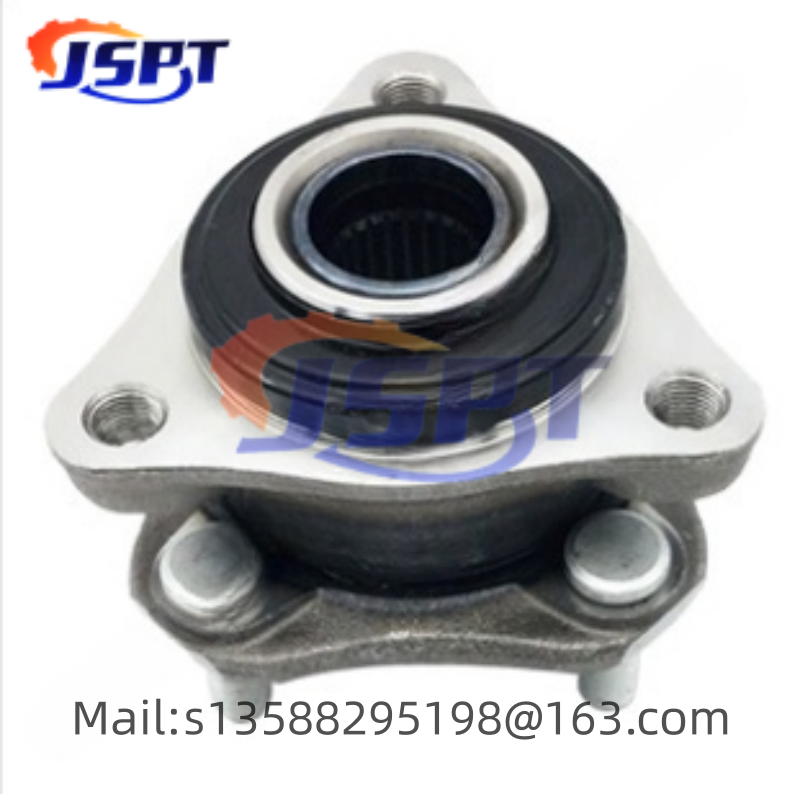
Understanding the Role of Wheel Bearings
Wheel bearings are crucial components in automotive engineering, allowing wheels to rotate smoothly and efficiently. They consist of small metal balls encased in a ring and function by reducing friction between the wheel and the axle. Properly functioning bearings are essential for vehicle stability, fuel efficiency, and safety. As an ODM, factory, or exporter in the auto parts industry, understanding the intricacies of wheel bearings is vital.
The Function of Wheel Bearings
Wheel bearings provide the mechanism for frictionless rotation of the wheel. They serve as a buffer between the axle and the wheel hub, allowing seamless motion. This not only ensures smooth driving but also reduces wear and tear on the vehicle’s suspension system.
Types of Wheel Bearings
Common types of wheel bearings include ball bearings, roller bearings, and tapered roller bearings. Each type has specific applications and benefits. For instance, ball bearings are ideal for low-load applications, whereas tapered roller bearings handle larger radial and axial loads, making them suitable for vehicles carrying heavy loads.
Identifying Signs of Worn Wheel Bearings
A worn wheel bearing can significantly impact vehicle performance and safety. Identifying symptoms early can prevent more severe issues down the line.
Common Symptoms of Worn Bearings
- Unusual Noises: Listen for grinding or humming noises from the wheel area, indicating metal-on-metal contact.
- Vibrations: Feel for vibrations in the steering wheel, especially when turning or accelerating.
- Uneven Tire Wear: Check for irregular tire wear patterns, which can be a sign of misalignment due to bearing issues.
Visual Inspection Tips
- Inspect the wheel hub for signs of grease leakage, which could signify bearing failure.
- Check for rust or corrosion around the wheel hub area, as these can exacerbate bearing wear.
Tools Needed for Checking Wheel Bearings
To effectively inspect Rear Wheel Bearings, certain tools are essential. As a factory or exporter, having a comprehensive toolkit ensures thorough checks.
Basic Toolkit for Bearing Inspection
- Jack and jack stands for lifting and securely supporting the vehicle.
- Wheel chocks to prevent rolling during inspection.
- Torque wrench for proper tightening of wheel nuts post-inspection.
- Dial indicator to measure bearing play accurately.
Safety Equipment
- Protective gloves to safeguard against sharp edges and residual grease.
- Safety glasses to protect eyes from debris.
Preparing Your Vehicle for Bearing Inspection
Proper preparation of your vehicle is critical for a successful and safe bearing inspection.
Vehicle Positioning and Safety Measures
- Ensure the vehicle is on a flat, stable surface to prevent it from shifting or rolling.
- Engage the parking brake and use wheel chocks for added safety.
- Consult the vehicle’s manual to confirm whether the bearings are sealed or serviceable.
Lifting and Supporting the Vehicle
- Use a hydraulic jack to lift the vehicle to an adequate height for wheel removal.
- Secure the vehicle on jack stands positioned under the manufacturer-recommended lift points.
Inspecting Bearings on Vehicles with Drum Brakes
Checking bearings on vehicles with drum brakes requires careful removal of brake components.
Steps to Access Rear Wheel Bearings
- Remove the wheel and tire assembly to gain access to the brake drum.
- Pull off the drum, being cautious of any rust that may impede removal.
- Check the condition of the grease inside the hub for contamination by dirt or metal particles.
Repacking or Replacing Bearings
If the bearings appear worn or the grease is contaminated, consider repacking them with fresh grease or replacing them entirely. Ensure factory-standard procedures are followed for repacking or replacement operations.
Inspecting Bearings on Vehicles with Disc Brakes
For vehicles with disc brakes, additional steps are necessary to inspect the wheel bearings.
Removing Brake Components
- Detach the caliper and secure it to avoid stress on the brake line.
- Remove the rotor to expose the wheel bearings.
Checking Bearing Condition
- Visually inspect the bearings for wear or damage, such as cracks or pitting.
- Verify the integrity of the grease seal, replacing it if there are any signs of wear.
Testing for Wheel Bearing Play and Noise
Once you have accessed the bearings, check for play and noise to assess their condition accurately.
Procedures for Identifying Bearing Issues
- Hold the wheel at the 12 and 6 o'clock positions and rock it back and forth. Minimal movement indicates good bearings, while excessive play suggests wear.
- Spin the wheel and listen for any grinding or rumbling noises, indicative of bearing damage.
Using a Dial Indicator
Attach a dial indicator to measure the play quantitatively. Industry standards generally accept up to 0.005 inches of play; beyond this, replacement is recommended.
Determining Whether to Repair or Replace Bearings
Deciding between repair and replacement depends on the extent of wear and potential for future problems.
Criteria for Making a Decision
- If bearings are excessively worn, replacement is advised to prevent future failures.
- For minor wear, repacking with fresh grease might suffice.
Cost and Time Considerations
Evaluate the cost of replacement parts against the labor involved in repacking. As a factory or exporter, offering comprehensive aftermarket solutions benefits both clients and end-users.
Preventive Maintenance for Wheel Bearings
Regular maintenance is key to extending the life of wheel bearings and ensuring vehicle safety.
Scheduled Inspections and Lubrication
- Incorporate bearing checks into routine vehicle maintenance schedules, typically every 25,000 to 30,000 miles.
- Ensure proper lubrication of bearings during each check to reduce friction and wear.
Environmental Considerations
As part of an eco-responsible automotive industry, properly disposing of old grease and worn bearings is critical to minimizing environmental impact.
Safety Precautions When Checking Wheel Bearings
Safety must be a priority throughout the wheel bearing inspection and maintenance process.
Basic Safety Protocols
- Always use jack stands to support the vehicle; never rely solely on a jack.
- Keep hands clear of pinch points and wear appropriate personal protective equipment.
Training and Supervision
For those new to automotive repair, supervision by a knowledgeable mechanic or participation in a vehicle maintenance class is advisable to ensure proper procedures are followed.
Jinsai Provide Solutions
Jinsai offers comprehensive solutions for wheel bearing maintenance, focusing on quality and efficiency. As an esteemed ODM and exporter, we provide products that meet rigorous industry standards, ensuring reliable performance and longevity. Our commitment extends to providing clients with detailed maintenance guides and robust after-sales support. By choosing Jinsai, you're investing in superior engineering and unparalleled customer service, ensuring your vehicle's wheel bearings remain in optimal condition for safer, smoother driving experiences.