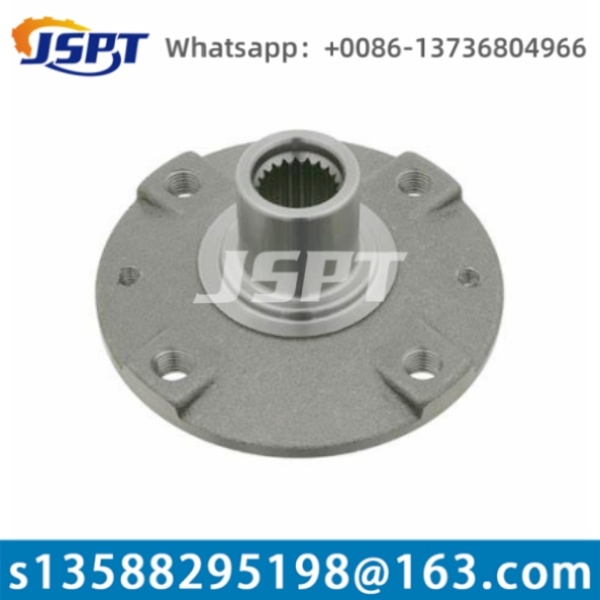
Understanding Wheel Hub Bearings
Wheel hub bearings play an essential role in vehicle performance by allowing the wheels to rotate smoothly with minimal friction. They are critical components for maintaining stability and control while driving. A wheel hub bearing supports the weight of the vehicle and transfers rotational forces from the axle to the wheel. These components have evolved significantly over the years, offering increased reliability and durability.
The Basic Structure of Wheel Hub Bearings
Wheel hub bearings typically consist of steel balls or rollers housed within a ring-shaped casing called a race. This design minimizes friction and allows for smooth wheel rotation. Modern wheel bearings are usually sealed units, protecting them from dirt, debris, and moisture.
The Function and Constraints of Wheel Bearings
The primary function of wheel bearings is to reduce friction and ensure smooth wheel operation. They must withstand vertical and horizontal loads while maintaining proper alignment. The dynamic nature of driving, including turns and various road conditions, subjects bearings to different stress levels.
Causes of Wheel Hub Bearing Failures
Wheel hub bearings can fail due to a variety of factors, many of which are preventable with proper maintenance. Understanding these causes is essential for prolonging the life of the bearings and ensuring safe vehicle operation.
Common Causes of Bearing Failures
- Improper installation or use of substandard parts.
- Environmental factors such as corrosion and contamination.
- Excessive loads or misalignment of the vehicle.
The Impact of Environmental Conditions
External conditions like salt, water, and road debris can infiltrate and damage wheel bearings. Seal integrity is crucial to protect against these elements. Regular inspections can help identify potential issues early, minimizing damage.
Signs and Symptoms of Failing Wheel Bearings
Early identification of failing wheel bearings is vital to prevent severe damage or accidents. Recognizing the signs can lead to timely interventions.
Auditory and Sensory Indicators
- Unusual noises such as clicking, humming, or growling.
- Vibrations felt through the steering wheel or vehicle body.
Physical Symptoms Observed During Inspection
During routine checks, physical signs like undue resistance, play in the bearing, or grinding noises during rotation can indicate bearing issues. Regular inspections are crucial for detecting these symptoms early.
Diagnosing a Wheel Hub Bearing Problem
Proper diagnosis of a wheel hub bearing failure requires a combination of auditory, visual, and tactile assessments. A systematic approach ensures accurate identification of issues.
Steps for Effective Diagnosis
- Begin with a road test to identify the source and nature of unusual noises.
- Use jack stands to lift the vehicle securely and inspect the bearing physically.
Tools and Techniques for Precision
Employing tools like dial gauges can measure hub runout. Industry standards suggest that a runout exceeding 0.004 inches is indicative of a failed bearing. Accurate measurements are essential for proper diagnosis.
Consequences of a Failed Wheel Hub Bearing
A failed wheel hub bearing can lead to severe consequences, affecting vehicle performance and safety. Understanding the implications can underscore the importance of timely maintenance.
Immediate Risks and Hazards
- Increased tire wear and potential wheel separation.
- Reduced vehicle control and stability, leading to accidents.
Long-term Damage to Vehicle Components
Prolonged use of a faulty bearing can damage other parts like the CV joint or transmission. Such damage can lead to costly repairs, making early intervention economically beneficial.
Preventive Maintenance for Wheel Bearings
Regular maintenance and inspection are key strategies to extend the lifespan of wheel hub bearings. Proactive approaches can mitigate the risk of sudden failures.
Routine Checks and Best Practices
- Schedule regular inspections and lubrication if applicable.
- Use high-quality replacement parts to ensure durability.
The Role of Proper Installation
Ensuring bearings are installed correctly is critical to their longevity. Work with an experienced ODM or Factory to guarantee adherence to manufacturer specifications and quality assurance standards.
Repair and Replacement Options for Bearings
Once a wheel hub bearing failure is diagnosed, several repair and replacement options are available. Choosing the appropriate solution depends on the severity of the damage.
Assessing Repair vs. Replacement
Simple issues may be resolved with minor repairs, but significant damage often necessitates total replacement. Evaluating cost-effectiveness and safety should guide the decision-making process.
The Importance of Professional Expertise
Working with a qualified Exporter or repair expert ensures that the bearings are replaced or repaired according to industry standards. Expert intervention mitigates future risks.
The Role of Wheel Bearings in Vehicle Safety
Wheel bearings are integral to vehicle safety, impacting overall control and efficiency. Poorly maintained bearings pose serious safety risks.
Direct Impact on Driving Dynamics
- Improved handling and maneuverability with well-maintained bearings.
- Reduced risk of tire and suspension damage.
Strategies for Enhancing Safety
Prioritizing high-quality components and regular maintenance ensures the safety of vehicle occupants. A strategic approach to bearing maintenance can significantly enhance vehicle performance.
Choosing the Right Wheel Bearings
Selecting the appropriate wheel bearings involves understanding product specifications and ensuring compatibility with the vehicle's requirements.
Criteria for Selecting High-Quality Bearings
- Material composition and load capacity.
- Seal integrity and temperature tolerance.
Working with Trusted Manufacturers
Engage with a reputable Factory or ODM to source reliable wheel bearings that meet the vehicle's demands. Proper sourcing guarantees optimal performance and longevity.
Future Trends in Wheel Bearing Technology
Innovation in wheel bearing technology continues to enhance durability and performance. Staying informed about these developments can influence maintenance strategies.
Advancements in Material Science
New materials and manufacturing techniques contribute to improved bearing performance. These advancements offer increased resistance to wear and environmental factors.
Integration with Smart Vehicle Systems
Future bearings may incorporate sensors for real-time condition monitoring, facilitating predictive maintenance. Such integration will enhance vehicle safety and efficiency.
Jinsai Provide Solutions
At Jinsai, we offer comprehensive solutions for wheel hub bearing maintenance and replacement. Our expert team provides high-quality bearings, ensuring optimal vehicle performance. We collaborate with trusted ODMs and Factories to deliver durable and reliable components, tailored to your specific needs. Partner with Jinsai to enhance your vehicle's safety and longevity with our premium wheel hub bearing solutions.