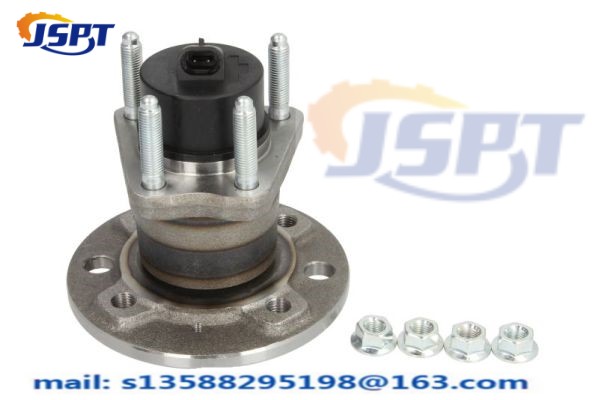
Introduction to Wheel Bearings in Cars
In the complex machinery that comprises a vehicle, wheel bearings play a pivotal role. Critical to the smooth operation of any car, these components are responsible for enabling the rotation of the wheels with minimal friction. A robust understanding of wheel bearings is essential for anyone involved in automotive maintenance or engineering. From facilitating wheel movement to enhancing vehicle stability, the significance of wheel bearings cannot be overstated. This article delves into the intricacies of wheel bearings, exploring their types, evolution, and installation intricacies, along with the importance of utilizing premium options from trusted sources such as an ODM Wheel Bearing or a reputable Wheel Bearing Factory.
Basic Functionality of Wheel Bearings
Wheel bearings serve as a fundamental component in vehicles, ensuring the efficient operation of the wheels. Primarily, they allow for wheel rotation, which is critical for vehicle movement. By minimizing friction, wheel bearings contribute to a smoother driving experience. The seamless operation of these bearings is key to maintaining correct wheel tracking. In essence, without effective wheel bearings, the chances of wheel misalignment and unstable driving increase significantly. Furthermore, wheel bearings are integral in providing wheel speed sensor signals, thereby supporting the vehicle’s drive systems. This highlights the indispensable nature of wheel bearings and the need for high-quality components from a reliable Wheel Bearing Exporter.
Types of Rolling Elements in Bearings
Understanding the different types of rolling elements in bearings is crucial for selecting the right component for specific applications. Wheel bearings typically contain either ball bearings or roller bearings. Ball bearings are favored in applications where speed takes precedence over load capacity. Their design offers a small point of contact, resulting in less rolling resistance and lighter load carrying capabilities. Conversely, roller bearings are more suitable for heavier loads due to their larger contact area. These bearings come in various shapes, including cylindrical, spherical, tapered, and needle designs, each tailored to specific load and speed requirements. Selecting the correct type is vital for the optimal performance of vehicles.
Evolution of Wheel Bearings: Three Generations
Over the years, wheel bearings have evolved through three key generations, each bringing significant improvements and additional functionalities. The transition from Generation 1 to Generation 3 bearings showcases advancements in design and technology. These developments have not only enhanced vehicle performance but also simplified maintenance procedures. As wheel bearings have become more sophisticated, they now integrate more complex features, necessitating a thorough understanding of their characteristics and applications. This evolution underscores the importance of sourcing bearings from a reputable Wheel Bearing Factory to ensure quality and reliability.
Generation 1 Bearings: Characteristics and Use
Generation 1 wheel bearings represent the foundational design commonly used in both driven and non-driven wheels. These bearings are characterized by their compact double-row design, which is pre-lubricated and maintenance-free. Notably, they require a spindle or axle thru-pin to set preload and maintain the assembly. Despite their simpler design compared to later generations, Generation 1 bearings still play a critical role in certain vehicle models, particularly imports. Installation must be handled with caution to avoid damaging the ABS encoder and ensure the bearing is fully seated. Proper installation ensures optimal performance and longevity of these components.
Advancements in Generation 2 Wheel Bearings
Building on the foundations laid by Generation 1, Generation 2 wheel bearings introduce additional features that cater to non-driven wheels, although some driven applications exist. The incorporation of a hub or mounting flange with a rotating inner or outer ring distinguishes this generation. These bearings continue the tradition of being pre-lubricated and maintenance-free, yet they may require specialized tools for installation. The design enhancements in Generation 2 bearings facilitate easier integration into vehicles, emphasizing the importance of understanding the specific needs of each vehicle type when selecting bearings from an ODM Wheel Bearing supplier.
Generation 3 Bearings: Modern Integration
Generation 3 wheel bearings epitomize modern automotive technology, offering a comprehensive unit design suitable for both driven and non-driven wheels. Featuring compact double-row ball bearings or tapered rollers, these components cannot be disassembled, ensuring durability and reliability. The integration of two flanges enables secure attachment to the knuckle and brake rotor or wheel. Premium variations include roll-forming to set initial bearing preload, highlighting the advanced engineering of these bearings. Proper installation is crucial, with attention to detail required to ensure the hub assembly is well seated and that axle nuts are torqued to specification.
Critical Installation Tips for Wheel Bearings
Installing wheel bearings demands precision and an understanding of the specific requirements of each generation. The key to a successful installation lies in ensuring the bearing is correctly seated and preloaded. Using the appropriate tools and techniques is essential to avoid damage to the bearing or vehicle components. For instance, torque specifications must be adhered to, particularly with the axle or spindle nuts, as these impact the preload setting. Additionally, the cleanliness of the installation area and the alignment of components like the ABS encoder ring are vital. Proper installation ensures the longevity and performance of the wheel bearings.
Qualities of Premium Wheel Bearings
When selecting wheel bearings, opting for premium components is advisable to enhance part service life and performance. Qualities to look for include a stiff roll-formed assembly, precision rolling elements, and raceways protected by advanced sealing and coating technology. The inclusion of pre-loaded nanoceramic grease further enhances the durability of the bearings. These features ensure that the bearings perform optimally under various conditions, maintaining vehicle stability and safety. Choosing products from a reputable Wheel Bearing Exporter ensures that these quality standards are met, providing peace of mind to vehicle owners and technicians alike.
Conclusion: The Importance of Wheel Bearings
In summary, wheel bearings are indispensable components in the world of automotive engineering. From facilitating wheel rotation to contributing to vehicle safety, their role is multifaceted and vital. Understanding the types and generations of wheel bearings, as well as the proper installation techniques, is crucial for maintaining vehicle performance and safety. Whether sourced from an ODM Wheel Bearing provider or a trusted Wheel Bearing Exporter, ensuring the quality and reliability of these components is key. As the automotive industry continues to evolve, so too will the technology and design of wheel bearings, necessitating ongoing awareness and adaptation among professionals and enthusiasts.
About Jinsai
Zhejiang Jinsai Precision Technology Co., Ltd. is a leading manufacturer specializing in the research, development, and production of wheel hub bearings, wheel hub units, and universal joint assemblies for over 20 years. Established in 1999 and located in Jianshan New District, Haining City, Zhejiang Province, Jinsai boasts a state-of-the-art facility with a production capacity of 6.1 million wheel hub bearings and 5.6 million universal joints annually. The company adheres to ISO9001 and IATF16949 quality management systems, ensuring their products meet OEM manufacturing standards and providing reliable support for both OEM and aftermarket needs.