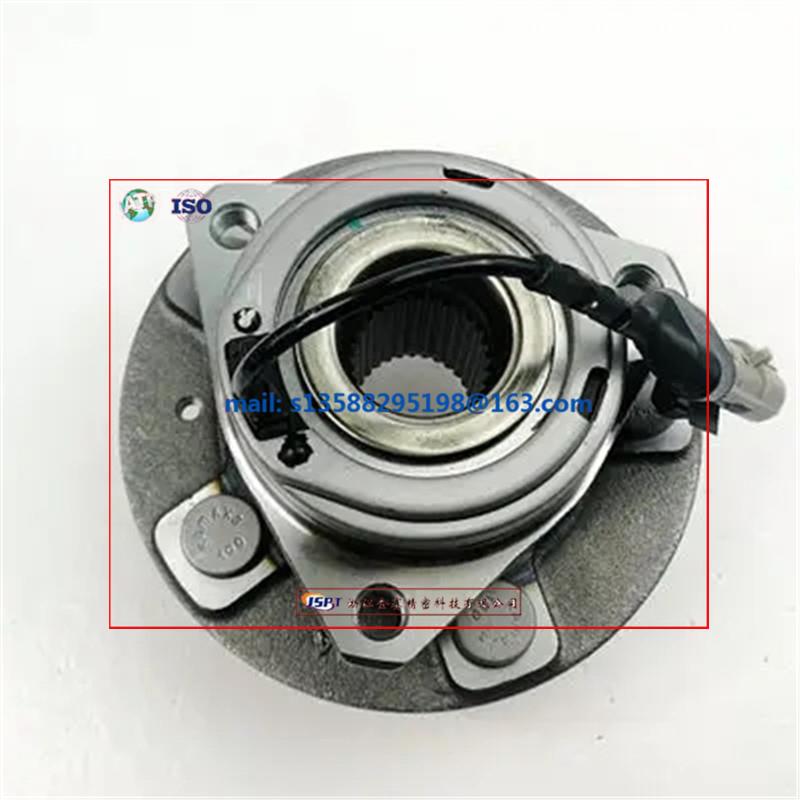
Introduction to Cross Joint Bearings in Machinery
In the intricate world of machinery, the Cross Joint Bearing, also known as a universal joint or U-joint, stands as a pivotal component. These bearings facilitate the efficient transmission of rotational force between shafts that are not aligned in a straight line. From automotive drivetrains to industrial applications, cross joint bearings play a crucial role in ensuring the smooth operation of machines by accommodating the misalignment and angular discrepancies between connected shafts. In this article, we delve deep into the anatomy, mechanics, and significance of cross joint bearings, with an emphasis on their reliability and the implications of their failure.
Anatomy of a Cross Joint Bearing
● Key Components: Cross, Yokes, and Bearings
A cross joint bearing typically comprises three main components: the cross, yokes, and bearings. The cross is the central pivot point that connects to the yokes on either end, which are in turn attached to the shafts being linked. Bearings are situated at the cross's ends, facilitating smooth rotational movement by reducing friction and wear.
● Materials Used in Manufacturing
The materials used in manufacturing cross joint bearings are crucial to their durability and performance. Typically, these bearings are made from high-strength steel alloys, which offer excellent resistance to wear and the capacity to withstand high torque loads. Some advanced bearings might incorporate materials like ceramics or composites to further enhance performance.
● Variations and Types
Cross joint bearings come in several variations to meet diverse requirements. Single Cardan joints are used in applications with moderate angular changes, while Double Cardan joints provide smoother operation in more complex alignments. Advanced designs, such as Ball and Trunnion or Roller U-Joints, are employed in heavy-duty applications where durability is paramount.
The Mechanics of Cross Joint Bearings
● How They Enable Movement Between Shafts
Cross joint bearings enable movement between shafts by allowing them to rotate at varying angles without losing torque transmission capability. This flexibility is essential for applications like automotive drive shafts, where rigid connections would otherwise be subjected to stress or failure due to changes in alignment during operation.
● Torque Transmission
Despite the non-linear alignment, cross joint bearings efficiently transmit torque from one shaft to another. This capability makes them indispensable in ensuring the consistent delivery of power in various mechanical systems, from vehicles to industrial machines.
● Flexibility and Angle Accommodation
The flexibility of cross joint bearings is one of their standout features. By accommodating angles often as high as 45 degrees or more, these bearings ensure operational stability and efficiency even in systems where shafts are consistently moving or misaligned due to structural constraints or external impacts.
Types of Cross Joint Bearings
● Single vs. Double Cardan
Single Cardan joints are suited for simpler applications with less angular variance, whereas Double Cardan joints are employed for more complex systems requiring enhanced flexibility and smoothness. The choice between the two is dictated by the specific mechanical needs of the machinery they are intended for.
● Specialized Bearing Types (Ball, Roller, Bendix)
Specialized types, such as Ball and Trunnion or Roller U-Joints, are designed for high-load, high-torque conditions. Bendix joints use spherical rollers to accommodate extreme angles and are often seen in heavy-duty machinery.
● Comparison with Constant Velocity Joints
While not true U-joints, Constant Velocity (CV) Joints are sometimes compared to cross joint bearings. CV joints maintain a constant speed between the input and output shafts, reducing vibrations and enhancing smoothness, particularly in front-wheel-drive vehicles.
Importance of Reliability in Cross Joint Bearings
● Role in Safety and Performance
Reliability in cross joint bearings is paramount, especially in applications like automotive systems where performance and safety are non-negotiable. A reliable bearing ensures that the vehicle operates smoothly, avoiding unexpected breakdowns or failures that could lead to accidents or costly repairs.
● Impact on Operational Efficiency
Consistent performance of cross joint bearings contributes significantly to the overall efficiency of machinery. By maintaining smooth operation and reducing vibrations, reliable bearings lead to less wear and tear on related components and systems.
● Long-Term Cost Savings
Investing in high-quality, reliable cross joint bearings can lead to substantial long-term savings. Reduced maintenance costs, fewer replacements, and increased uptime all contribute to a lower total cost of ownership for machinery using these components.
Impact of Bearing Failure on Machinery Performance
● Symptoms: Noise, Vibrations, and Misalignment
Bearing failure can manifest in various forms, including unusual noises, excessive vibrations, and misalignment. These symptoms not only disrupt the operation but also potentially lead to secondary damage to other machine parts, compounding repair costs.
● Consequences for Related Components
When a cross joint bearing fails, it can adversely affect other components, such as drive shafts, differentials, and transmission systems. The resulting damage can escalate quickly if not addressed promptly, leading to extensive and costly repairs.
● Case Studies of Failure
Several industry case studies highlight the catastrophic impact of bearing failures, emphasizing the need for regular inspection and maintenance. These studies underscore the importance of early detection and corrective measures to prevent significant operational disruptions.
Industry-Specific Applications of Cross Joint Bearings
● Automotive and Transportation
In the automotive industry, cross joint bearings are pivotal in the drivetrain systems of vehicles. Ensuring smooth power transmission to the wheels, they play a vital role in vehicle performance and safety.
● Heavy Machinery and Construction
In construction and heavy industry, these bearings are essential for the functioning of cranes, loaders, and other equipment that require robust components capable of handling substantial loads and stresses.
● Agricultural and Marine Equipment
Agricultural machinery relies on cross joint bearings for seamless operation across various implements, while marine equipment uses them to handle propulsion systems' unique challenges, such as saltwater exposure and high torque requirements.
Common Issues Faced by Cross Joint Bearings
● Wear and Tear: Causes and Prevention
Wear and tear are inevitable in mechanical components, but proper lubrication and timely maintenance can mitigate these effects. Regular inspection and replacement of worn parts are critical to maintaining operational integrity.
● Misalignment and Overload Challenges
Misalignment and overload are frequent issues that can lead to premature bearing failure. Ensuring proper installation and alignment during maintenance can prevent these problems from escalating.
● Environmental Factors: Corrosion and Contamination
Environmental factors like moisture, dirt, and corrosive elements pose significant threats to cross joint bearings. Protective coatings, seals, and regular cleaning can help shield bearings from these elements.
Maintenance and Troubleshooting Techniques
● Regular Inspection and Monitoring
Robust maintenance programs prioritize regular inspection and monitoring, allowing for the early detection of potential issues. This proactive approach is vital for preventing unexpected failures and prolonging bearing life.
● Lubrication Practices
Proper lubrication reduces friction and wear, enhancing bearing performance and longevity. Consistent lubrication schedules tailored to operating conditions and load requirements are essential for optimal function.
● Repair vs. Replacement Decisions
Deciding whether to repair or replace a bearing depends on the extent of wear and damage. In some cases, a simple repair may suffice, while in others, replacement is the only viable solution to ensure machinery reliability and safety.
When to Seek Professional Help for Bearing Issues
● Indicators of Irreparable Damage
Signs such as excessive play, persistent noise, and visible damage often indicate irreparable issues that warrant expert intervention. Continuing to operate machinery under these conditions can lead to severe consequences.
● Importance of Skilled Intervention
Professional assistance is crucial for complex repairs and in situations where precision and expertise are required. Skilled technicians can accurately diagnose and rectify issues, minimizing downtime and ensuring machinery performance.
● Future Trends in Bearing Technology
Advancements in materials and design continue to enhance bearing performance. Trends such as smart bearings with integrated sensors for real-time monitoring are revolutionizing maintenance practices and increasing machinery uptime.
Conclusion
Cross Joint Bearings are indispensable to the functioning of a wide range of machinery, from automobiles to industrial equipment. Their ability to transmit torque while accommodating misalignment and angular movement makes them crucial for efficient mechanical operations. Ensuring their reliability through regular maintenance and timely replacement is paramount to avoiding costly breakdowns and ensuring operational safety.
● About Jinsai
Zhejiang Jinsai Precision Technology Co., Ltd. specializes in the manufacture of wheel hub bearings, wheel hub units, and universal joint assemblies. Founded in 1999, Jinsai operates from a state-of-the-art facility in Haining City, Zhejiang Province, boasting an annual production capacity of over 11 million units. With a commitment to quality meeting OEM standards and a dedication to innovation, Jinsai continues to expand its product offerings, supporting the automotive industry with reliable and high-performance components.