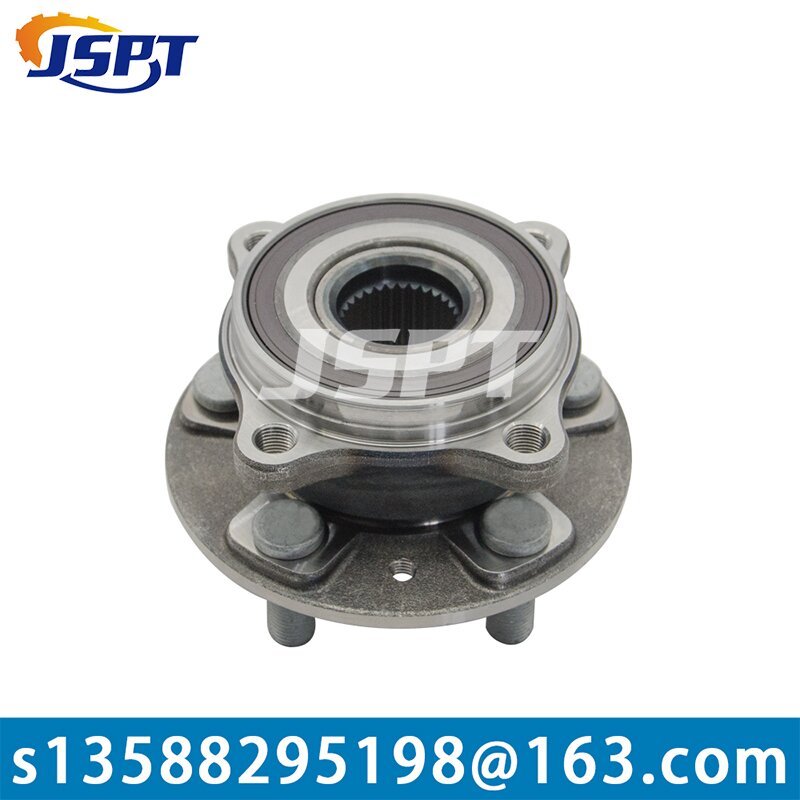
Introduction to Wheel Hub Units
The wheel hub unit is an often overlooked yet crucial component of a vehicle's steering and suspension system. This essential part ensures the smooth operation of your vehicle, maintaining the integrity of the wheel assembly and facilitating safe and efficient travel. From enabling smooth turns to supporting your vehicle's weight, the wheel hub unit plays an indispensable role in your driving experience. Understanding its function, importance, and maintenance needs can help car owners make informed decisions for their vehicles.
● Components of a Wheel Hub Unit
A wheel hub unit typically consists of key components, including precision bearings, seals, and sensors, which work together to ensure maximum performance and safety.
○ Bearings
Bearings are the heart of the wheel hub unit, tasked with minimizing friction between moving parts, allowing for smooth wheel rotation. They are engineered to withstand significant pressure and stress, ensuring the wheels rotate freely.
○ Seals
Seals serve an essential protective function, preventing contaminants like dirt, dust, and moisture from entering the wheel hub assembly. By preserving the integrity of the bearings, seals help prevent premature wear and damage.
○ Sensors
Many modern wheel hub units are equipped with sensors, particularly wheel speed sensors as part of the anti-lock braking system (ABS). These sensors provide critical data to the vehicle's electronic control systems, assisting in maintaining stability and control.
Location and Installation of Wheel Hub Units
The wheel hub unit is strategically positioned between the drive axle and the brake drums or discs. Its location is pivotal to the vehicle's performance, as it connects the wheel to the vehicle, allowing for effective steering and support.
● Installation Methods
The installation of wheel hub units varies by vehicle design but generally involves bolt-on or press-in assemblies. Bolt-on assemblies are more straightforward, requiring less labor and tools, while press-in assemblies may demand specialized equipment and expertise.
Functions of Wheel Hub Units
The wheel hub unit performs several vital functions that ensure a vehicle operates smoothly and safely.
● Role in Steering and Vehicle Stability
The wheel hub unit plays a crucial role in maintaining steering stability. By securing the wheel to the vehicle and allowing it to rotate freely, it contributes to the smooth steering and handling of the car, enhancing driver control and safety.
● Integration with ABS and Traction Control Systems
Modern vehicles often integrate the wheel hub unit with the ABS and traction control systems. The unit's sensors provide real-time data on wheel speed, which the ABS uses to prevent wheel lockup during sudden braking, while the traction control system helps maintain grip on slippery surfaces.
Signs of a Failing Wheel Hub Unit
Recognizing the early signs of a failing wheel hub unit can prevent further damage and maintain vehicle safety.
● Common Symptoms
Symptoms of a failing wheel hub unit may include unusual noises like growling, humming, or squealing, particularly when driving at specific speeds. Vehicle vibrations or shaking steering wheels are also warning signs.
● Indicators on ABS and Traction Systems
A malfunctioning wheel hub unit can disrupt the functioning of ABS and traction control systems. Warning lights on the dashboard may illuminate if sensors detect irregularities or failures in these systems.
Consequences of Driving with a Damaged Wheel Hub Unit
Driving with a compromised wheel hub unit poses significant risks to both the vehicle and its occupants.
● Risks to Vehicle Safety and Performance
A damaged hub unit can lead to poor vehicle handling, increased tire wear, and even loss of wheel separation from the vehicle. It can also cause brake system malfunctions, severely impacting vehicle safety.
● Potential for Wheel Detachment
In extreme cases, a severely worn or damaged wheel hub unit can lead to wheel detachment. This catastrophic failure results in a complete loss of vehicle control and a potentially dangerous situation for both the driver and others on the road.
Maintenance and Replacement of Wheel Hub Units
Regular maintenance and timely replacement of wheel hub units are essential for vehicle safety and reliability.
● Importance of Regular Inspections
Routine vehicle inspections are crucial in maintaining the wheel hub unit's health. Evaluations by trained professionals can detect potential issues before they escalate into safety hazards.
● Guidelines for Replacing a Faulty Hub Unit
Replacing a faulty wheel hub unit involves careful consideration and professional intervention. It requires the proper selection of replacement parts and adherence to specific installation procedures to ensure safety and functionality.
Technological Advances in Wheel Hub Units
Recent technological advancements have improved the design and performance of wheel hub units, leading to enhanced vehicle safety and driving experience.
● Innovations in Wheel Hub Design and Materials
Modern wheel hub units are designed using advanced materials and technologies that improve durability, reduce weight, and enhance performance. These innovations lead to longer-lasting components that contribute to the overall efficiency of the vehicle.
● Benefits of Modern Hub Assemblies
The integration of advanced sensors and electronic systems into wheel hub units has revolutionized vehicle safety systems like ABS and traction control. These modern hub assemblies provide reliable data that help maintain control and stability in various driving conditions.
Importance of Professional Assessment
While some vehicle maintenance tasks can be performed by the owner, wheel hub unit issues require professional assessment and intervention.
● Seeking Expert Advice for Vehicle Maintenance
Professional mechanics have the expertise and equipment necessary to accurately diagnose and resolve wheel hub unit problems. Their involvement ensures that the vehicle remains safe and reliable.
● Role of Certified Technicians in Ensuring Safety
Certified technicians possess the knowledge and skills needed to properly handle wheel hub unit replacements and repairs. Their role is vital in ensuring that vehicles meet safety standards and perform well on the road.
Conclusion: Ensuring Vehicle Safety with Proper Wheel Hub Maintenance
In summary, the wheel hub unit is an integral part of a vehicle’s suspension and steering system. Its proper functioning is crucial for safe driving, impacting everything from maneuverability to braking efficiency. Regular maintenance and timely replacement of faulty components are essential to avoid potentially dangerous situations on the road. By understanding the importance and function of the wheel hub unit, vehicle owners can take proactive measures to ensure their vehicles remain safe and reliable.
● About Jinsai
Zhejiang Jinsai Precision Technology Co., Ltd. is a leading manufacturer specializing in the research, development, and production of wheel hub units and bearings for over 20 years. Established in 1999 and based in Zhejiang Province, Jinsai combines advanced technology and rigorous quality control systems to meet OEM manufacturing standards. With a commitment to innovation and excellence, Jinsai offers a wide range of products, continually expanding its offerings in the global market. Jinsai is recognized for its dedication to customer satisfaction and high-quality product solutions.