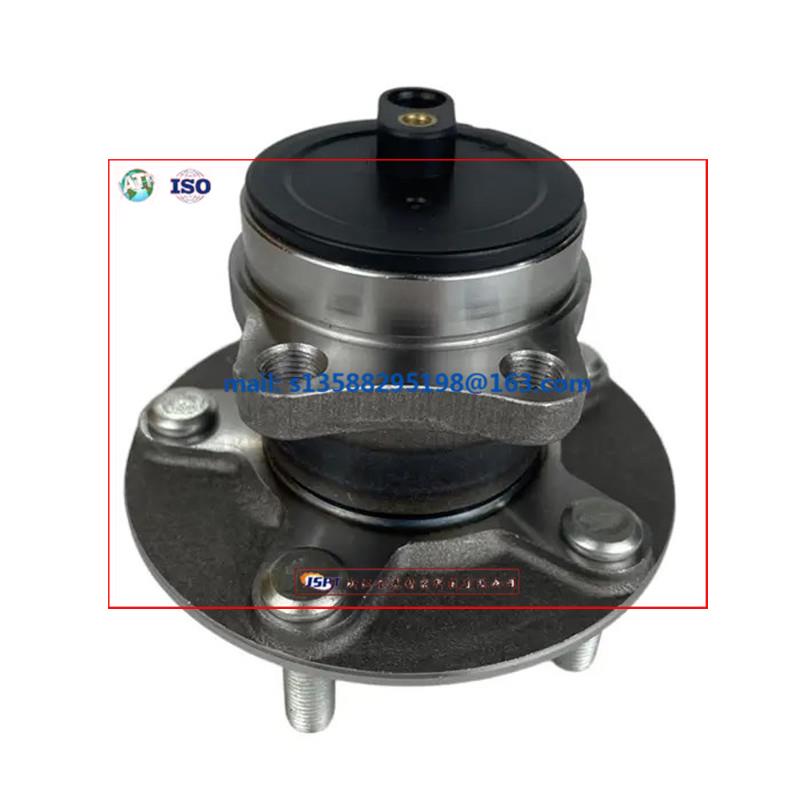
Introduction to Hub Bearing Assemblies
Hub bearing assemblies are a critical component in automotive engineering, ensuring the seamless rotation and movement of the wheels. Playing a pivotal role in vehicle dynamics, they significantly impact steering, suspension, and the overall safety of the car. Understanding their importance can aid in making informed decisions when selecting replacements or upgrades, especially when dealing with an ODM hub bearing assembly.
Historical Evolution of Hub Bearings
● From Generation 1 to Generation 3
The evolution of hub bearings has seen significant technological advancements from their inception. Early designs required regular maintenance and manual lubrication. However, advancements led to the development of self-contained, sealed units known as Generation 3 hub bearing assemblies. These are now a standard in modern vehicles, combining durability with ease of installation.
● Impact of Technological Changes
The transformation from basic bearings to advanced hub assemblies highlights the industry's push towards efficiency and reliability. These changes have made installations more straightforward and reduced the service requirements, setting a new benchmark for quality standards in the automotive sector.
Key Components of a Hub Bearing Assembly
● Understanding the Spindle and Raceway
A hub bearing assembly comprises several critical components, including the spindle, raceway, and rolling elements. The spindle forms the central axis, supporting the raceway on which the rolling elements move. This integration allows for the smooth rotation of the wheels, crucial for vehicular control and safety.
● Rolling Elements: Ball vs. Tapered Roller Designs
The choice between ball-bearing rollers and tapered roller designs depends on the vehicle's weight and intended use. While ball bearings are prevalent in passenger cars, tapered designs are favored in larger vehicles due to their enhanced load-bearing capabilities. Ensuring that these components are sourced from a reputable Hub Bearing Assembly Factory is paramount to maintaining performance.
Common Causes of Hub Bearing Failure
● Vibration and Its Hidden Dangers
Vibration remains the primary culprit behind hub bearing failures. Excessive vibration can stem from various factors, including improper installation or external impacts. This vibration not only affects the bearing's longevity but also the vehicle's safety.
● Symptoms of a Failing Bearing
Recognizing the early signs of a failing hub bearing is crucial. Unusual noises, such as grinding or humming from the wheel area, typically indicate a problem. Prompt inspection and intervention can prevent further damage and costly repairs, emphasizing the need for quality components, especially from a reliable Hub Bearing Assembly Exporter.
Features of a Quality Hub Bearing Assembly
● Robust Spindle and Seal Design
A quality hub bearing assembly boasts a robust spindle and an advanced seal design. These features ensure that the assembly can withstand the high forces encountered during vehicle operation. Seals play a crucial role in preventing contaminants from entering the assembly, thereby enhancing durability.
● Importance of Multi-lipped Seals and Metal Shields
Innovations like multi-lipped seals and metal shields have redefined the expected lifespan of hub bearings. These components work together to create a formidable barrier against dust, debris, and moisture, thereby ensuring the assembly's longevity and performance.
Technological Innovations in Hub Bearings
● Introduction of Wheel-Speed Sensors
Modern hub bearing assemblies often incorporate wheel-speed sensors, which are integral to systems like anti-lock braking and stability control. The integration of these sensors has improved vehicle safety and performance, but it also necessitates precise manufacturing standards to maintain functionality.
● ADAS Integration and Sensor Quality
With the rise of Advanced Driver Assistance Systems (ADAS), the quality of wheel-speed sensors within hub assemblies has become even more critical. Poor sensor quality can compromise these systems, highlighting the importance of sourcing assemblies that adhere to OEM standards.
Installation Best Practices
● Correct Torque Values and Tools
Proper installation of a hub bearing assembly is vital for its optimal performance. This includes using the correct torque values and the appropriate tools. Avoiding impact guns in favor of torque wrenches ensures that the assembly is not subjected to undue stress, which could lead to premature failure.
● Role of Fastening Hardware
The inclusion of reliable fastening hardware, such as steering-knuckle bolts and axle nuts, is essential for a complete installation. These components must meet specific standards to ensure that the assembly remains secure under operational stresses.
Advances in Hub Bearing Materials
● Benefits of Nanoceramic Grease and Anti-corrosion Coatings
Material advancements have played a substantial role in enhancing hub bearing assemblies. The use of nanoceramic grease reduces friction, improves efficiency, and resists corrosion. Coupled with anti-corrosion coatings, these materials ensure that the assembly can withstand harsh environmental conditions.
● Enhancements in Rolling Elements and Raceway Designs
Improvements in rolling elements and raceway designs have led to increased durability and performance. These advancements have reduced the incidence of wear and tear, making the modern hub bearing assembly more robust and reliable.
Selecting the Right Hub Bearing Assembly
● Considerations for Technicians, Shop Owners, and Customers
Choosing the right hub bearing assembly involves considering the needs of technicians, shop owners, and customers alike. Factors such as compatibility, reliability, and cost efficiency play a significant role in the decision-making process. Opting for products from a reputable ODM Hub Bearing Assembly manufacturer ensures quality and performance.
● Factors Influencing OEM vs. Aftermarket Parts
The debate between Original Equipment Manufacturer (OEM) and aftermarket parts often centers around quality assurance and cost. While OEM parts guarantee compatibility and performance, aftermarket options offer variety and sometimes enhanced features. Understanding these differences is key to making an informed choice.
Conclusion: The Future of Hub Bearing Technology
● Predictions for Future Improvements
The future of hub bearing technology promises further advancements in design and materials. As vehicles continue to evolve, the demand for more efficient and reliable components will drive innovation, paving the way for even more sophisticated hub bearing assemblies.
● Continued Importance of Quality in Automotive Safety and Performance
Quality remains paramount in ensuring automotive safety and performance. As the backbone of efficient wheel function, hub bearing assemblies must adhere to the highest standards, emphasizing the role of trusted manufacturers and exporters in the industry.
● About Jinsai
Zhejiang Jinsai Precision Technology Co., Ltd. has been at the forefront of wheel hub bearing manufacturing for over 20 years. Situated in Haining city, Zhejiang Province, Jinsai employs a robust team dedicated to producing top-tier wheel hub bearings, units, and universal joints. With an expansive facility and a commitment to OEM standards, Jinsai continually expands its product range, demonstrating its capacity for innovation and quality. Rooted in integrity and innovation, Jinsai invites global collaboration for mutual growth and development.