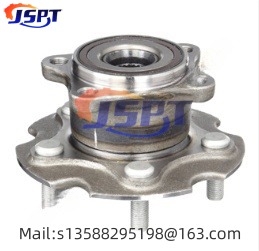
Introduction to Wheel Hub Bearings
● Definition and Importance
The wheel hub bearing is a crucial component of a vehicle's wheel assembly. It ensures that the wheel rotates with minimal friction, providing a smooth driving experience. The integrity of wheel hub bearings is paramount for both the vehicle’s performance and safety. Without functioning wheel hub bearings, the connection between the wheel and the axle is compromised, leading to potential hazards. Regular maintenance and timely replacement of these components are essential to keep your vehicle running efficiently.
● Role in Vehicle Safety and Performance
Wheel hub bearings play a vital role in the vehicle's steering and suspension systems. They are designed to withstand radial and axial loads that occur during acceleration, braking, and cornering. As such, any failure in the bearing can significantly affect the vehicle's handling and maneuverability. A compromised bearing can lead to dangerous driving conditions, making it imperative to recognize when it needs replacement.
Common Symptoms of Failing Wheel Bearings
● Unusual Noises: Humming, Grinding, Whining
One of the most common signs that your wheel hub bearing needs replacement is the development of unusual noises. Drivers may hear a humming, grinding, or whining noise emanating from the wheel area. These sounds typically become more pronounced at higher speeds or during cornering. This noise is often the first indicator of a failing wheel hub bearing and should prompt immediate inspection.
● Vibration and Steering Wheel Issues
Another symptom of deteriorating wheel hub bearings is vibration felt in the steering wheel. This vibration may fluctuate in intensity with changes in vehicle speed or when the vehicle turns. Additionally, drivers may notice increased play or looseness in the steering, making it less responsive. Such symptoms suggest that the vehicle's stability and safety are at risk.
Understanding Noises Associated with Bad Bearings
● Identifying Noise Types and Their Implications
The type of noise produced by a failing wheel hub bearing can give clues about the extent and nature of the damage. A humming sound might indicate minor wear, whereas a grinding noise typically suggests more severe degradation. Whining could be related to inadequate lubrication within the bearing. Recognizing these noise patterns can guide you in assessing whether immediate action is required.
● Diagnostic Techniques for Noise-related Issues
Accurately diagnosing the source of wheel noise can sometimes be challenging. Simple tests, such as slow driving with radio and air conditioning off, can help isolate the noise. It's advisable to perform these checks on a straight road as well as during turns, as bearing noise often intensifies when the vehicle is turning. For an accurate diagnosis, consulting with a professional mechanic is recommended.
Steering and Handling Problems From Bearing Wear
● Impact on Vehicle Control
Worn wheel hub bearings can severely affect your vehicle's drivability and control. As bearings degrade, the added friction interferes with smooth wheel rotation, leading to erratic vehicle behavior. This can manifest as pulling to one side, making it difficult to maintain a consistent driving line. Such issues not only compromise comfort but also increase the risk of accidents.
● How Bearings Affect Steering Accuracy
Bearings that are in poor condition can lead to increased steering slack, which affects precision. This slack may lead to delayed response time when steering, causing potential over or under-steering. It is essential to address wheel hub bearing issues promptly to maintain optimal steering accuracy and ensure safe driving conditions.
Causes of Wheel Bearing Failure
● Poor Installation Practices and Their Consequences
One major cause of wheel bearing failure is faulty installation. Using improper tools, such as a hammer or impact wrench, can damage the bearing's integrity. Similarly, failing to replace old accessories like bolts and nuts during installation can lead to bearing wear. Proper installation by a qualified professional using appropriate tools is critical to the longevity of wheel hub bearings.
● Environmental Factors: Water, Dirt, and Road Conditions
Bearings are at risk from environmental factors, including water, dirt, and road debris. Driving through deep water or muddy conditions can introduce contaminants into the bearing assembly, degrading the lubricating grease and accelerating wear. It's essential to be mindful of these conditions and to perform regular inspections if your vehicle frequently encounters them.
Consequences of Delaying Wheel Bearing Replacement
● Risks to Vehicle Safety and Structural Integrity
Ignoring symptoms of a failing wheel hub bearing can lead to severe consequences. A compromised bearing might lead to the wheel seizing or detaching entirely, causing accidents. The structural integrity of the drive axle and suspension assembly can also be affected, leading to further costly repairs.
● Long-term Damage to Axle and Suspension Systems
Over time, worn bearings can cause damage beyond the immediate wheel assembly. Axles and suspension systems are subjected to increased stress, potentially leading to failures in these components. Prolonged neglect may result in escalating repair costs, as multiple systems are affected.
How to Diagnose Wheel Bearing Issues
● DIY Inspection Techniques
While professional assessment is recommended, basic diagnostic techniques can be conducted at home. Checking for play in the wheel by rocking it back and forth can indicate bearing issues. Listening for noise during test drives while paying close attention to sound patterns can also help identify problems. These simple checks can provide preliminary insights into potential bearing failures.
● When to Consult a Professional Mechanic
Despite the feasibility of DIY checks, consulting a professional mechanic is crucial for accurate diagnosis of wheel hub bearing issues. Professionals have the tools and expertise to perform comprehensive inspections and ensure the bearings are assessed accurately. Their expertise can prevent misdiagnosis and help avoid unnecessary expenses.
Replacing Wheel Bearings: What to Expect
● Overview of the Replacement Process
Replacing a wheel hub bearing involves removing the wheel and brake components to access the faulty bearing. It requires precision to prevent damage to surrounding parts. The new bearing must be installed with specific torque settings to ensure a secure fit. This process should always be performed by a skilled technician to guarantee the safety and reliability of the repair.
● Tools and Skills Required for Proper Installation
Proper bearing replacement requires specialized tools to perform the job without damaging the new component. This includes tools to remove and reinstall bearings accurately, such as pullers and presses. Technicians must have the skills to interpret manufacturer specifications for torque settings and installation procedures, all of which ensure long-term performance.
Selecting Quality Wheel Bearing Replacements
● Importance of High-Quality Parts
The choice of replacement part significantly impacts the wheel hub bearing's performance and lifespan. Opting for a high-quality bearing is crucial for ensuring durability and reliability. Poor-quality parts, while cheaper initially, can lead to frequent replacements and increased overall costs.
● Recommendations for Reliable Brands and Products
Selecting wheel hub bearings from reputable brands and manufacturers is advisable. These products meet strict quality standards and are tested for performance and durability. Brands like ODM Wheel Hub Bearing, Wheel Hub Bearing Factory, and Wheel Hub Bearing Exporter are recognized for their high-quality offerings. These reliable options give consumers confidence in their vehicle's safety and functionality.
Conclusion and Final Safety Recommendations
● Recap of Key Points
Recognizing the signs of a failing wheel hub bearing is essential for maintaining vehicle safety and performance. Unusual noises, steering issues, and environmental factors can indicate the need for inspection and potential replacement. Ensuring proper installation and choosing high-quality replacement parts are critical to the longevity of wheel hub bearings.
● Encouragement to Seek Professional Advice and Maintenance
To ensure safety and optimal performance, vehicle owners should engage professional mechanics for regular inspections and maintenance. Expertise in handling wheel hub bearings guarantees that all aspects of the bearing and its installation are addressed appropriately, minimizing risks and potential failures.
Zhejiang Jinsai Precision Technology Co., Ltd. is a renowned manufacturer specializing in the production of wheel hub bearings. Established in 1999, Jinsai has become a leading ODM Wheel Hub Bearing Factory and Exporter. With over 20 years of experience, Jinsai operates from a modern facility in Haining City, Zhejiang Province, and boasts a production capacity of over 6.1 million wheel hub bearings annually. Upholding the highest OEM manufacturing standards, Jinsai continues to provide innovative and reliable products to markets worldwide.