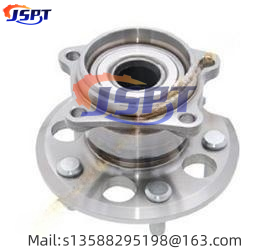
Importance of Wheel Bearings in Vehicle Function
Wheel bearings are a vital component in the functioning of your vehicle. These small, but essential parts facilitate the smooth rotation of the wheel assemblies, ensuring your car operates safely and efficiently. They play a critical role in the steering system of your car, affecting handling and stability. Most vehicles are equipped with four sets of wheel bearings, one for each wheel, which are subject to significant force and friction during operation.
Understanding Wheel Bearing Construction
Wheel bearings consist of a set of round metal components known as ball bearings, held together by a ring that facilitates smooth wheel rotation. Today’s vehicles often use double row tapered ball bearings to reduce rolling resistance and enhance performance. Over time, however, these components can wear out due to constant pressure and friction.
Lifespan of Wheel Bearings
On average, wheel bearings should be replaced every 85,000 to 100,000 miles, although this is a rough estimate. The lifespan largely depends on several factors such as driving conditions, vehicle type, and the quality of the bearings used. Regular maintenance and inspections can help in determining the right time for replacement.
Factors Affecting Wheel Bearing Longevity
Several factors can influence the lifespan of wheel bearings, including the type of vehicle, driving habits, road conditions, and quality of bearings. For instance, off-road driving or frequently traveling on rough roads can accelerate wear and tear. High-quality bearings from a reputable ODM, factory, or exporter might last longer than cheaper alternatives.
Symptoms of Failing Wheel Bearings
Recognizing the symptoms of failing wheel bearings can prevent serious accidents and costly repairs. Common indicators include unusual noises, vibrations, and steering issues.
Unusual Noises and Vibrations
A howling or grinding noise from the wheel area, especially when accelerating or making turns, is often a sign of bearing failure. Additionally, you might feel vibrations or experience pulling in the steering wheel, which can indicate that the bearings are no longer functioning properly.
Consequences of Ignoring Wheel Bearing Issues
Neglecting to replace worn wheel bearings can lead to severe consequences. Beyond affecting vehicle performance, it poses significant safety risks.
Potential Safety Hazards
If left unattended, failing wheel bearings can cause catastrophic axle failure, leading to the wheel detaching from the vehicle. This is a rare but dangerous situation that underscores the importance of timely maintenance and replacement.
Choosing Quality Wheel Bearings
Selecting the right wheel bearings is crucial for vehicle safety and longevity. Opting for high-quality, durable bearings ensures better performance and reduces the need for frequent replacements.
Importance of Sourcing from Reliable Manufacturers
Working with a reputable ODM, factory, or exporter can guarantee the quality of wheel bearings. Ensuring that bearings meet industry standards and specifications can prolong their lifespan and enhance vehicle performance.
Professional vs. DIY Replacement of Wheel Bearings
When it comes time to replace wheel bearings, car owners might consider whether to hire a professional or attempt a do-it-yourself (DIY) approach.
Benefits of Professional Replacement
Professionals have the expertise, tools, and experience to replace wheel bearings accurately and safely. While the DIY route might save money upfront, improper installation can lead to more significant issues, making professional service a worthwhile investment.
Maintenance Tips to Extend Bearing Life
Regular maintenance can extend the life of wheel bearings and improve vehicle performance. Proactive care helps in identifying potential issues before they escalate.
Routine Inspections and Care
Performing regular inspections and keeping wheel bearings clean and properly lubricated are essential maintenance practices. Addressing even minor issues promptly can prevent more severe problems and extend the bearing’s lifespan.
Cost Considerations for Wheel Bearing Replacement
The cost of replacing wheel bearings can vary based on several factors, including vehicle type, labor costs, and bearing quality.
Budgeting for Replacement
On average, the replacement cost ranges from $100 to $300 per bearing, including parts and labor. Investing in high-quality bearings from a trusted factory or exporter might be costlier initially but can save money in the long run by avoiding frequent replacements.
Advances in Wheel Bearing Technology
The automotive industry continues to see technological improvements that enhance wheel bearing performance, durability, and efficiency.
Emerging Trends and Innovations
Innovations such as improved sealing technologies and advanced materials are increasing the lifespan and performance of wheel bearings. Collaborating with forward-thinking ODMs and factories ensures access to these advanced products.
Scheduling and Timing for Bearing Replacement
Properly timing your wheel bearing replacements is essential for maintaining vehicle safety and performance.
Understanding Replacement Intervals
Adhering to manufacturer recommendations and vehicle inspection results can help determine the ideal replacement intervals. Regular consultation with professionals ensures bearings are replaced before they pose a danger.
Jinsai Provide Solutions
At Jinsai, we are committed to offering top-notch wheel bearing solutions suitable for various vehicle needs. We partner with leading ODMs and factories to supply high-quality bearings that ensure safety, efficiency, and performance. Our comprehensive services include professional installation and regular maintenance checks to help extend the life of your wheel bearings. Contact us today for solutions tailored to your specific vehicle requirements, ensuring peace of mind on every journey.