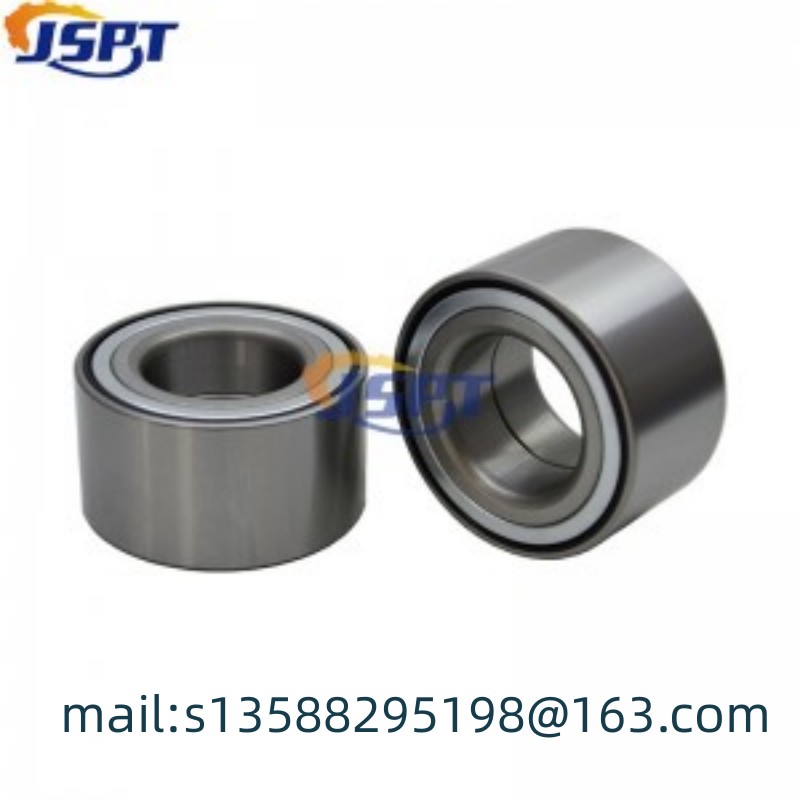
Introduction to Hub Bearings
Hub bearings are critical components in modern vehicles, providing the essential function of supporting the wheel and enabling it to rotate smoothly. They are designed to withstand substantial forces and facilitate smooth vehicle movement. Despite their durability, hub bearings do have a finite lifespan, influenced by various operating conditions and maintenance practices.
Average Lifespan of Hub Bearings
Typical Lifespan Expectations
The typical lifespan of hub bearings ranges from 85,000 to 100,000 miles. However, this can vary significantly based on vehicle usage, road conditions, and adherence to maintenance protocols. Proper care and timely maintenance can significantly extend the life of hub bearings.
Lifespan Comparisons
While some vehicles experience hub bearing failure around 75,000 miles, others continue functioning well beyond 150,000 miles. These variations highlight the impact of external factors and driver habits on bearing life. Understanding these can guide better practices for maximizing longevity.
Factors Affecting Hub Bearing Longevity
Driving Conditions
Driving on rough or unpaved roads contributes to premature hub bearing wear. Frequent exposure to potholes and uneven terrain can significantly shorten their lifespan. Adopting cautious driving techniques in such environments is crucial.
Load and Vehicle Weight
Vehicles frequently carrying heavy loads exert additional pressure on hub bearings, accelerating wear. Keeping vehicle loads within manufacturer-specified limits helps in maintaining optimal bearing function and extending service life.
Maintenance Practices
Regular maintenance, including periodic lubrication and inspection, is vital for ensuring hub bearing longevity. Neglecting maintenance can lead to increased friction and subsequent wear, drastically reducing bearing life.
Signs of Hub Bearing Wear
Auditory Indicators
The most common sign of hub bearing wear is noise, often described as a howling or whining sound that increases with speed. This noise indicates friction or metal contact, both of which signal degraded bearing condition.
Physical Symptoms
Vibrations in the steering wheel or uneven tire wear are physical symptoms of hub bearing issues. These arise due to the bearing's inability to maintain proper wheel alignment and rotation.
Consequences of Neglecting Hub Bearing Issues
Potential for Catastrophic Failures
If hub bearing issues are neglected, there's a risk of catastrophic axle failure. This can result in wheel separation from the vehicle, posing severe safety hazards. Prompt attention to bearing issues is imperative for avoiding such outcomes.
Impact on Vehicle Performance
Worn hub bearings can severely impact vehicle handling and safety. They increase stopping distances and reduce vehicle stability, creating unsafe driving conditions.
Maintenance Tips for Prolonging Hub Bearing Life
Regular Inspections
Routine inspections by qualified professionals can detect early signs of wear, enabling timely interventions. Inspections should check for any looseness in wheel assemblies and evaluate the condition of lubricant.
Proper Lubrication
Using high-quality grease and maintaining adequate lubrication levels are essential for minimizing friction and wear. This practice is crucial for extending the life of hub bearings.
Hub Bearing Replacement Costs
Cost Factors
Replacement costs can vary due to factors such as vehicle make, model, and labor rates. On average, costs range from $200 to $500 per wheel, emphasizing the importance of prolonging bearing life through proper maintenance.
Cost-Saving Strategies
Engaging with an experienced ODM, Factory, or Exporter can provide cost-effective solutions for acquiring quality replacement parts and ensuring proper installation, ultimately saving costs in the long run.
DIY vs Professional Hub Bearing Replacement
Advantages of Professional Replacement
Professional replacement ensures correct installation and alignment, which is crucial for optimal performance and safety. Professionals have the necessary tools and expertise to manage complex replacement tasks efficiently.
Risks of DIY Replacement
DIY replacement poses risks of incorrect installation and potential safety hazards. It is generally recommended to seek professional services to ensure vehicle integrity and personal safety.
Advances in Hub Bearing Technology
Innovative Material Use
Modern hub bearings incorporate advanced materials and engineering to enhance durability and performance. New materials reduce friction and heat generation, contributing to longer component life.
Technological Improvements
Technological advancements in design and manufacturing processes have led to more reliable and efficient hub bearings. Engaging with a competent Factory or Exporter can ensure access to these high-quality parts.
Conclusion: Ensuring Long Life for Hub Bearings
Hub bearings play a significant role in vehicle performance and safety. Understanding their lifespan and the factors affecting it empowers vehicle owners to adopt better maintenance practices. Regular inspections, proper lubrication, and professional servicing are essential for maximizing hub bearing life. Opting for quality parts from dependable sources like an ODM, Factory, or Exporter can also enhance bearing longevity and performance.
Jinsai Provide Solutions
Jinsai offers comprehensive solutions for hub bearing maintenance and replacement. Our services include high-quality components from reputable ODMs and Factories, ensuring reliability and performance. We provide expert installation to guarantee safety and efficiency. Partner with Jinsai for your hub bearing needs and ensure your vehicle operates smoothly and safely. Trust our expertise for long-lasting solutions and peace of mind in vehicle maintenance.