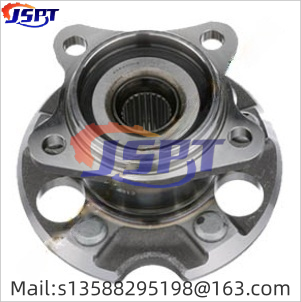
Introduction to Cross Joint Bearings
Cross joint bearings are pivotal components for various types of machinery, ranging from automobiles to heavy-duty industrial equipment. These critical elements enable the requisite flexibility and power transmission needed for the successful operation of modern machinery. As machinery becomes more sophisticated, the role of cross joint bearings becomes increasingly central, demanding superior quality and meticulous maintenance to ensure they meet performance expectations. For entities such as an ODM Cross Joint Bearing manufacturer or a Cross Joint Bearing Exporter, maintaining these standards is imperative. In this article, we will explore essential maintenance tips to extend the lifespan and optimize the performance of cross joint bearings.
Importance of Regular Maintenance
The critical role of cross joint bearings in machinery underscores the necessity of regular maintenance. Proper upkeep not only extends the life of these components but also enhances the overall efficiency of machinery. Entities like a Cross Joint Bearing Factory must prioritize systematic maintenance schedules to ensure consistent performance. By adhering to a structured maintenance routine, machinery owners can prevent unexpected failures and costly downtimes. It is crucial to understand that regular maintenance is an investment that pays dividends in terms of reduced repair costs and operational continuity.
Comprehensive Lubrication Techniques
● Selecting the Right Grease
For cross joint bearings to maintain their efficiency, comprehensive lubrication is non-negotiable. Selecting the right grease is the first step in safeguarding these components against wear and tear. The choice of grease depends on the specific environmental conditions in which the machinery operates. High-quality greases are formulated to withstand extreme pressures and temperatures, which are common in heavy-duty operations. It is vital for any ODM Cross Joint Bearing manufacturer to understand and recommend appropriate lubricants for various applications.
● Establishing a Lubrication Schedule
After choosing the suitable lubricant, the next step is to establish a consistent lubrication schedule. Following the manufacturer's guidelines will ensure that the bearings receive the right amount of lubrication at the right intervals. This proactive approach minimizes friction, reduces heat buildup, and prevents premature wear, thereby prolonging the life of the bearings. Consistent lubrication also plays a crucial role in enhancing the reliability and performance of machinery across various industries.
Conducting Routine Inspections
● Identifying Signs of Wear and Damage
Routine inspections are vital in maintaining the functionality of cross joint bearings. During these inspections, it is important to identify early signs of wear and potential damage. Look for indications such as rust, cracks, and excessive play, which are precursors to more severe issues. Utilizing the appropriate diagnostic tools can aid in detecting these defects early, allowing for corrective measures before more significant problems arise. A proactive inspection regimen is essential for any Cross Joint Bearing Exporter committed to delivering reliable products.
● Tools and Methods for Effective Inspection
Effective inspection of cross joint bearings requires the use of specialized tools and methodologies. Tools such as calipers, micrometers, and dial indicators are essential in measuring the components accurately and assessing wear levels. Adhering to industry standards ensures that inspections are thorough, enabling the timely replacement of worn parts and preventing unexpected failures.
Maintaining Cleanliness in Bearings
● Impact of Contaminants on Performance
Maintaining cleanliness is an often-overlooked aspect of cross joint bearing maintenance. Contaminants such as dirt, grit, and moisture can infiltrate the bearings, leading to abrasion and premature wear. These foreign particles can significantly impact the performance and longevity of the bearings, underscoring the necessity for cleanliness. Addressing this aspect is crucial for any Cross Joint Bearing Factory aiming to provide parts that offer exceptional durability and performance.
● Best Practices for Keeping Joints Clean
To preserve the condition of cross joint bearings, employing best practices for cleanliness is essential. Implement regular cleaning protocols, especially after operations in dirty or dusty environments. Use suitable cleaning agents that do not degrade the metal or lubricant used in the bearings. Regular cleaning removes abrasive contaminants, which in turn helps prevent degradation and extends bearing life.
Ensuring Proper Installation Procedures
● Steps for Accurate Assembly
Proper installation procedures are critical to the effective functioning of cross joint bearings. Incorrectly installed bearings can lead to misalignment, which accelerates wear and can cause premature failures. To prevent these issues, always follow the manufacturer's installation guidelines. This includes ensuring that all parts are aligned accurately during assembly and that required torque specifications are met. For any ODM Cross Joint Bearing producer, offering clear installation directives is part of ensuring customer satisfaction and product reliability.
● Consequences of Incorrect Installation
Inadequate installation procedures can have dire consequences. Misaligned bearings can lead to increased stress and uneven wear patterns, which, over time, can result in complete system failure. Addressing these installation issues upfront will save time and resources, and reinforce the reliability of the machinery.
Operational Load Management
● Understanding Machinery Load Limits
Managing operational loads is integral to the longevity of cross joint bearings. Each piece of machinery is designed to handle specific load capacities, and exceeding these limits can exert undue stress on the bearings. Understanding these load specifications is crucial for maintaining the integrity of the machinery. Load management is a critical consideration for any Cross Joint Bearing Exporter, as it affects both the lifespan and performance of the product in operation.
● Effects of Overloading on Joint Longevity
Overloading machinery can dramatically reduce the lifespan of cross joint bearings. Excessive stress can deform or break these critical components, leading to costly repairs and downtime. By adhering to prescribed load limits, machinery operators can prevent these avoidable issues, ensuring smoother operation and extending the equipment's service life.
Timely Replacement of Worn Components
● Recognizing When to Replace Parts
Timely replacement of worn components is essential to maintaining the operational efficiency of cross joint bearings. Inspections often reveal wear and damages; prompt action to replace these parts is necessary to prevent further complications. Recognizing the signs of excessive wear, such as unusual noises or vibrations, can prevent catastrophic failures. For a Cross Joint Bearing Factory, maintaining a stock of ready-to-install replacement parts is a part of providing comprehensive service to their customers.
● Impact of Delaying Replacements on Machinery
Delaying the replacement of worn components can have significant repercussions on machinery. It can lead to increased pressure and wear on the surrounding parts, which exacerbates the risk of a total system breakdown. Regularly replacing worn out components not only extends the life of individual parts but also enhances the overall durability and resilience of the machinery.
Choosing Quality Replacement Parts
● Criteria for Selecting Parts
When replacements are necessary, opting for high-quality parts is imperative. Choosing parts that meet or exceed the Original Equipment Manufacturer (OEM) specifications ensures compatibility and performance. High-quality parts are designed to withstand demanding conditions and provide longevity, which is crucial for machinery operating in strenuous environments. Any ODM Cross Joint Bearing manufacturer should maintain stringent quality criteria to ensure their parts meet the rigorous demands of various applications.
● Differences Between OEM and Non-OEM
The distinction between OEM and non-OEM parts is significant when considering replacements. OEM parts are designed to the exact specifications of the original components, ensuring perfect fit and function. Non-OEM parts may not meet these precise standards, potentially leading to compatibility issues and reduced performance. For those in the market for replacement parts, understanding this difference is key to making informed purchasing decisions.
Conclusion: Achieving Longevity and Safety
In conclusion, the maintenance of cross joint bearings is a comprehensive process that requires attention to detail and adherence to best practices. From regular lubrication and inspections to proper installation and load management, each step plays a vital role in optimizing performance and extending the lifespan of these critical components. By implementing these maintenance tips, machinery operators can reduce downtime, save on costly repairs, and ensure safety in demanding industrial environments. As a Cross Joint Bearing Exporter, ensuring that these practices are followed is part of delivering quality and reliability to clients worldwide.
● About Zhejiang Jinsai Precision Technology Co., Ltd.
Zhejiang Jinsai Precision Technology Co., Ltd., established in 1999, has been a leading manufacturer focusing on wheel hub bearings and universal joint assemblies for over 20 years. Located in Haining City, Zhejiang Province, Jinsai boasts a substantial production capacity, adhering to OEM manufacturing standards with advanced equipment and rigorous quality control. Renowned for both its innovation and commitment to excellence, Jinsai continues to expand its product range, delivering high-quality solutions to a global market, aligning perfectly with the principles of integrity and customer-centric service.