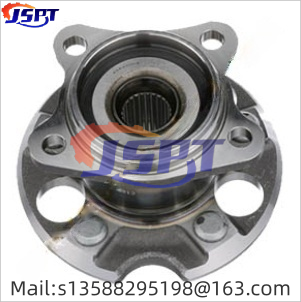
Understanding Wheel Bearing Hub Assemblies
In the complex system of automobile mechanics, the Wheel Bearing Hub Assembly plays a critical role. This component not only facilitates the smooth rotation of wheels but also ensures the overall efficiency of your vehicle. Understanding its structure and function is key to appreciating its importance. Typically, it houses the wheel bearings within a hub, providing a sturdy mounting point for the wheel. It’s essential for maintaining the correct alignment of the vehicle and ensuring safety and performance.
● Definition and Importance in Vehicle Performance
A Wheel Bearing Hub Assembly is a pre-assembled unit that comprises bearings, sensors, and the hub itself. The primary function is to allow the wheel to rotate with minimal friction, crucial for the efficient operation of the vehicle. Additionally, it supports the weight of the car and absorbs the forces applied by the road. Its condition directly impacts fuel efficiency, tire wear, and the overall driving experience, making it indispensable in vehicle maintenance.
● Common Signs of Wear and Failure
Identifying early signs of wear or failure in a Wheel Bearing Hub Assembly can save you from costly repairs down the line. Common indicators include unusual noises like humming, rumbling, or squealing from the wheel area, particularly when cornering. You might also notice steering wheel vibrations or a wobbly wheel. Ignoring these signs not only compromises safety but can also lead to further damage to other vehicle components.
Identifying the Symptoms of a Faulty Bearing
Understanding the symptoms of a failing wheel bearing is crucial for timely maintenance and ensuring the longevity of your vehicle. The symptoms usually manifest as audible signals or changes in vehicle handling.
● Noises Associated with Bad Bearings: Grinding, Humming, Growling
One of the most telltale signs of a faulty bearing is noise. Grinding, humming, or growling sounds that intensify with acceleration or when making turns are strong indicators. These sounds typically originate from the wheel area and signify that the bearing is no longer functioning as smoothly as it should, possibly due to insufficient lubrication or wear and tear.
● Steering Vibrations and Their Implications
Steering vibrations accompanied by a sense of looseness in the steering wheel, especially at higher speeds, are common indicators of worn-out bearings. These vibrations don’t just affect ride comfort but also signal a potential safety hazard, as they can reduce the driver’s control over the vehicle. Addressing these symptoms promptly can prevent further damage and ensure safe driving conditions.
The Importance of Timely Inspections and Replacements
Regular inspections of the Wheel Bearing Hub Assembly are paramount for maintaining vehicle safety and performance. Neglecting these inspections can lead to severe consequences.
● Risks of Ignoring Worn-Out Bearings
Worn-out bearings pose significant risks, such as increased tire wear and potential damage to the wheel assembly, suspension, and braking systems. Moreover, a complete bearing failure while driving can lead to catastrophic accidents, making it crucial to address any issues immediately.
● Potential Damage to the Suspension System
The suspension system can suffer considerable damage if a faulty bearing isn’t replaced in time. The additional stress and vibrations can lead to premature wear of components like shock absorbers and struts. Thus, timely replacement of the bearing can save on extensive repairs and maintain the vehicle’s structural integrity.
Consult Your Vehicle’s Manufacturer Specifications
When selecting a replacement Wheel Bearing Hub Assembly, it’s essential to consult your vehicle’s manufacturer specifications to ensure compatibility and performance.
● How to Find the Recommended Bearing Type and Size
The vehicle’s owner manual is the first place to check for the recommended bearing type and size. It provides detailed information on the specifications necessary for your car model. Failing to adhere to these can lead to improper fitment and performance issues.
● Importance of Following Manufacturer Guidelines
Strict adherence to manufacturer guidelines guarantees that the replacement part will work seamlessly with your vehicle’s systems. This ensures longevity and optimal performance while maintaining any existing manufacturer warranties or certifications.
Different Types of Wheel Bearings Explained
Wheel bearings come in various types, each designed to suit different vehicle needs and driving conditions. Understanding these types can aid in selecting the right one for your car.
● Overview of Tapered Roller, Ball, and Sealed Ball Bearings
Tapered roller bearings are commonly used in vehicles that require handling heavy loads and radial loads, such as trucks. Ball bearings, known for their versatility, are typically used in passenger vehicles. Sealed ball bearings offer the advantage of protection from contaminants, thus requiring less maintenance.
● Benefits and Applications of Double-Row and Angular Contact Bearings
Double-row and angular contact bearings are designed for high-performance applications, offering enhanced support and load capacity. They are ideal for vehicles subjected to rigorous driving conditions, ensuring durability and reliability under stress.
Factors to Consider: Dimensions and Clearances
When selecting a Wheel Bearing Hub Assembly, paying attention to dimensions and clearances is critical for proper installation and function.
● Determining the Correct Dimensions for Optimal Fit
Ensuring the correct dimensions involves checking the inner and outer diameters and the width of the bearing. Accurate measurements are vital to guarantee that the bearing can sustain the vehicle’s load and operate seamlessly within the hub assembly.
● Importance of Proper Clearance for Performance
Clearance refers to the space between the bearing components. Proper clearance is essential for optimal bearing performance, affecting factors like heat generation, friction, and the bearing's lifespan. Inadequate clearance can lead to overheating and premature failure.
Evaluating the Quality and Reliability of Bearings
The quality of a Wheel Bearing Hub Assembly significantly influences its performance and longevity. Selecting high-quality bearings helps ensure reliability and safety.
● The Impact of High-Quality Bearings on Longevity
High-quality bearings are manufactured to precise standards, offering superior durability and resistance to wear and tear. These bearings can withstand extreme conditions, providing a long service life and reducing the need for frequent replacements.
● Why Reputable Manufacturers Matter
Choosing bearings from reputable manufacturers ensures you're getting a product that meets industry standards and has been rigorously tested for performance and safety. Trusted brands stand behind their products, offering warranties and support, assuring peace of mind to consumers.
Understanding OE and OEM Specifications
Distinguishing between OE and OEM specifications is important when choosing a Wheel Bearing Hub Assembly.
● Explanation of OE and OEM and Their Significance
OE, or Original Equipment, refers to parts installed by the vehicle manufacturer at the factory. OEM, or Original Equipment Manufacturer, parts are made by companies that produce original parts for vehicle manufacturers. Both types maintain high-quality standards, but OEM parts often offer a cost-effective alternative without compromising quality.
● Ensuring Compatibility with Original Vehicle Specifications
Ensuring that the bearing hub assembly complies with OE or OEM specifications is crucial for compatibility. This not only guarantees proper fit and function but also maintains the vehicle's original safety and efficiency standards.
Driving Conditions and Bearing Selection
The driving conditions your vehicle encounters should inform the choice of Wheel Bearing Hub Assembly.
● How Harsh Conditions Affect Bearing Choice
Vehicles driven in harsh conditions, such as off-road or in extreme weather, require bearings designed to withstand these environments. Such bearings often feature enhanced seals and materials to prevent contamination and withstand higher stress.
● Features to Look for in Bearings Designed for Tough Environments
For tough driving conditions, look for features like corrosion resistance, high-temperature tolerance, and reinforced seals. These attributes ensure the bearing can handle increased demands and extend its service life.
The Role of Professional Advice and Installation
Consulting professionals for advice and installation of Wheel Bearing Hub Assemblies can greatly enhance the outcome.
● Benefits of Consulting with Mechanics or Automotive Specialists
Mechanics and automotive specialists can provide insights into the best options available for your specific vehicle and driving habits. They can recommend parts that match your needs, ensuring long-term performance and safety.
● Why Professional Installation Might Be the Best Choice for Some Car Owners
While DIY installation may seem appealing, professional installation guarantees the correct fit and alignment, preventing future issues. Professional installers have the tools and experience to handle complex procedures, ensuring your vehicle operates smoothly post-installation.
Introducing Zhejiang Jinsai Precision Technology Co., Ltd.
Zhejiang Jinsai Precision Technology Co., Ltd. stands as a leading manufacturer in the wheel hub bearing industry, with over two decades of experience. Established in 1999, Jinsai has grown significantly, now boasting a large-scale production capacity and a comprehensive product range. Based in the national economic and Technological Development Zone in Jianshan new district, Haining city, Zhejiang Province, the company operates with a dedicated team and advanced facilities. Jinsai’s commitment to quality and innovation has earned them recognition as a top-notch Wheel Bearing Hub Assembly Exporter, consistently meeting OEM standards and expanding its global reach.